Understanding the Roller Track System
Picture yourself in a bustling warehouse where things are moving in sync, efficiency is at its peak, and every item glides smoothly along its path. A well-designed roller track system plays a pivotal role in this dream. Research shows that modern warehouse operations can boost productivity by up to 30% with a properly installed roller track system. So, what’s holding businesses back from transforming their logistics? The answer lies in traditional solutions that often miss the mark.
The Pain Points of Conventional Solutions
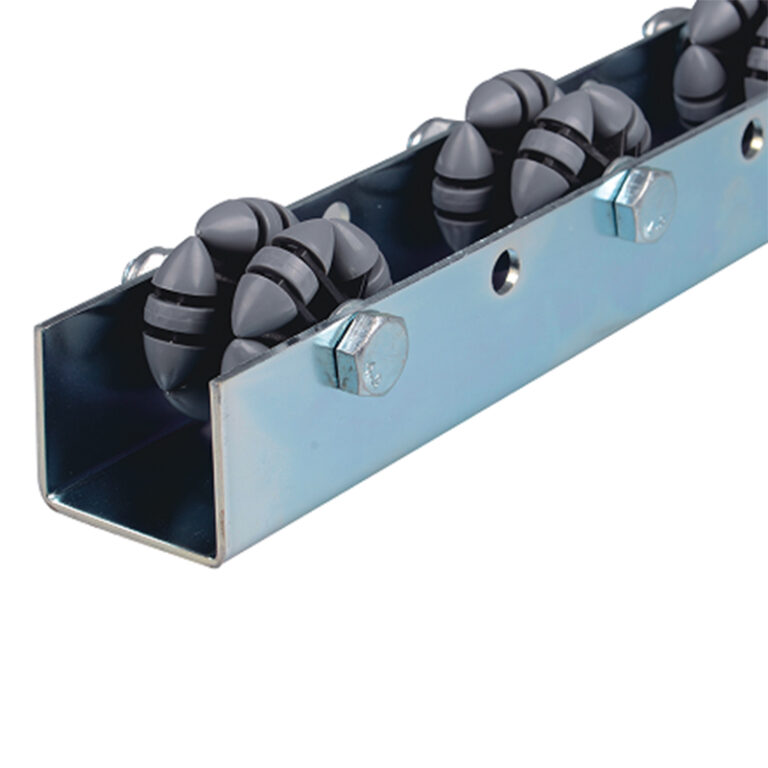
Let’s consider a common scene – outdated conveyor systems jamming due to lack of maintenance or misalignment, causing delays that ripple through operations. I remember a time when a major retailer had to shut down an entire aisle because their old rollers couldn’t keep up with the demand during the holiday rush. That experience was frustrating not only for the team but also for the customers waiting for their orders. This situation highlights an inherent flaw; conventional solutions aren’t as adaptive or resilient as they need to be in today’s fast-paced world. More often than not, these setups lead to excessive downtime and costly operational hiccups.
What’s Next for Roller Track Systems?
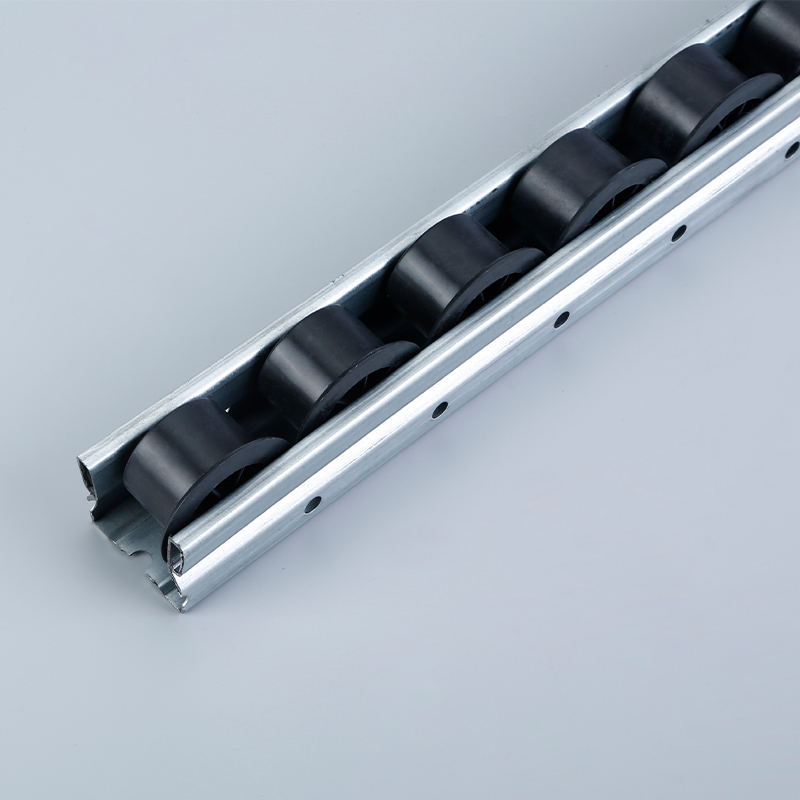
Looking forward, I envision a future where roller track systems blend seamlessly with smart technologies. Imagine roller tracks that self-adjust based on weight, type of goods, and even real-time shipping data. This evolution promises not only to enhance speed but also to ensure that every product is handled gently and delivered promptly. No more waiting for repairs or fearing obsolescence; these systems will be designed to work well with Artificial Intelligence, paving the way for adaptive operations. Efficiency won’t just be a number; it’ll be a culture adopted by all employees. Who wouldn’t want that kind of advantage?
Real-world Impact
As I reflect on these advancements, I can’t help but appreciate how integrated systems have already changed how we do business. Companies that have switched to modern roller tracks are seeing measurable results—increased throughput and improved employee morale, to name just a couple. A friend of mine implemented these systems last year at his logistics firm in Chicago, leading to a 40% reduction in item retrieval time. Now that’s impressive and shows just how impactful the right roller track system can be!
Evaluating Roller Track Solutions
When selecting a roller track system, keep these three key evaluation metrics in mind: adaptability to existing infrastructure, overall durability, and potential for future upgrades. This might sound straightforward, but it ultimately determines the long-term success of your operations. Investing in a quality system can prevent frustration and ensure smooth sailing. I’ll say it again—don’t overlook this critical aspect of your supply chain, folks. It’s one of those golden investments that pays dividends across time.
In summary, the road ahead for roller track systems is bright, filled with smart designs that promise enhanced productivity and efficiency. I’ve seen how these innovations can revolutionize operations firsthand and would urge any warehouse manager or logistics provider to explore these opportunities. For a step in the right direction, consider partnering with a trusted supplier like JunYi.