Introduction: A Dawn Shift, A Rising Curve, A Choice
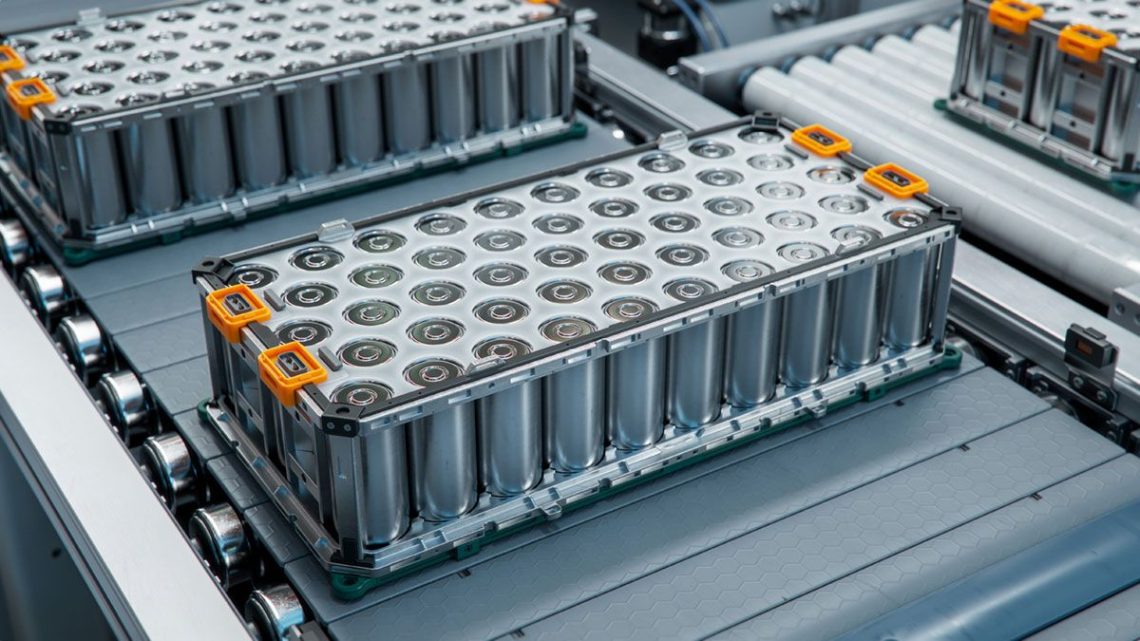
At dawn, a quiet floor wakes and the first tray slides forward, like a tide in slow motion. It is a lithium battery production line, warm with light and soft whirrs, where precision meets a promise to power the day. Demand has climbed by double digits this year, and forecasts keep edging higher (25%, then 30%, then more). How do you choose a path when every brochure gleams? Choosing a capable china battery production line manufacturer feels like picking a compass, not just a vendor—because a small steer at the start sets the whole voyage. The data speaks, but so do the little things: dry rooms that drift out of spec, AGV routes that loop, a MES alert that comes a minute late. And in that minute, a batch goes sideways. Does the line give you grace, or does it ask for it?
I share this as a friend of factories, not a bard of miracles. What we build here touches mornings and streets and long roads. So, if the choice tugs at your sleeve, listen. We’ll compare with care, and name the quiet costs. Then we’ll move toward what’s better, together.
Part 2: The Hidden Friction Behind Shiny Brochures
Where do the old fixes fail?
Let’s be direct. Most pain hides in handoffs. Look at calendering rolls that run hot at 2 p.m., or laser tab welding that drifts when copper changes lot. Traditional lines patch with more checks, not better control—funny how that works, right? The MES shows dashboards, but alerts lag the process by just enough to hurt. Dry rooms hold a number, yet the number masks a local pocket that never quite dries. And when people walk the floor to fix it, they fix symptoms, not the cause. Look, it’s simpler than you think: the system needs to sense, decide, and act where the work happens.
There is also the human side. Buyers hunt for throughput, then live with rework. Vendors promise OEE, but omit how long formation and aging rooms choke flow during spikes. Tooling swaps for new formats? Hours, not minutes. Utility loads surge because power converters were sized for peak, not for the rhythm of the recipe. None of this sounds dramatic—until it slows a launch. The flaw is not effort; it’s architecture. Old fixes bolt on supervision; they do not build in stability.
Part 3: Principles for the Next Leap
What’s Next
The pivot is architectural. New lines move decisions closer to the process. Edge computing nodes sit by the coater, by the winder, by electrolyte filling, and they close loops in milliseconds. Vision sees defects at the cell seam and tunes the weld head in-line, not later. A modern lithium ion battery production line treats control like a living mesh—sensors, models, and actuators in tight circles. Digital twins mirror the line, run “what-ifs,” and feed calm commands back. Material flow shifts from fixed lanes to demand-driven AGV orchestration, so buffers breathe with the recipe. Utilities get smart too: power converters ramp with the cycle to smooth draw—less waste, less heat.
This is not sci-fi. It is a quieter kind of change—small decisions, made faster, where they matter. When slurry shear, web tension, and tab geometry meet their controls, scrap drops. When formation timing adjusts to cell impedance, aging rooms stop being bottlenecks. And yes, it scales. You measure seconds saved at weld, you gain days at launch. The comparison to the old stack is clear: fewer alarms, more autonomy, higher first-pass yield. Summarizing the lesson, we trade extra oversight for embedded intelligence, and we design for drift instead of pretending it won’t come.
If you are choosing a path, use three steady metrics. 1) Control latency at the tool: can the loop correct faster than the defect forms? 2) Changeover granularity: can you swap formats without stopping upstream energy and air? 3) Flow resilience: when a node falls behind, does the line reroute or stall? Keep these close as you weigh options, and let them speak louder than slides. In the end, better lines feel calm under stress—and they free your team to think. That’s the quiet win we chase with care and craft at KATOP.