Understanding the Waste Dilemma
The world generates billions of tons of organic waste annually—think about that staggering number! As cities grow, so does the organic waste problem. This is where the automatic organic waste composting machine steps in, helping households and businesses reduce their waste footprint. But why should this technology matter to us? It combines sustainability with convenience, transforming waste into nutrient-rich compost without the mess!
The Problem with Traditional Methods
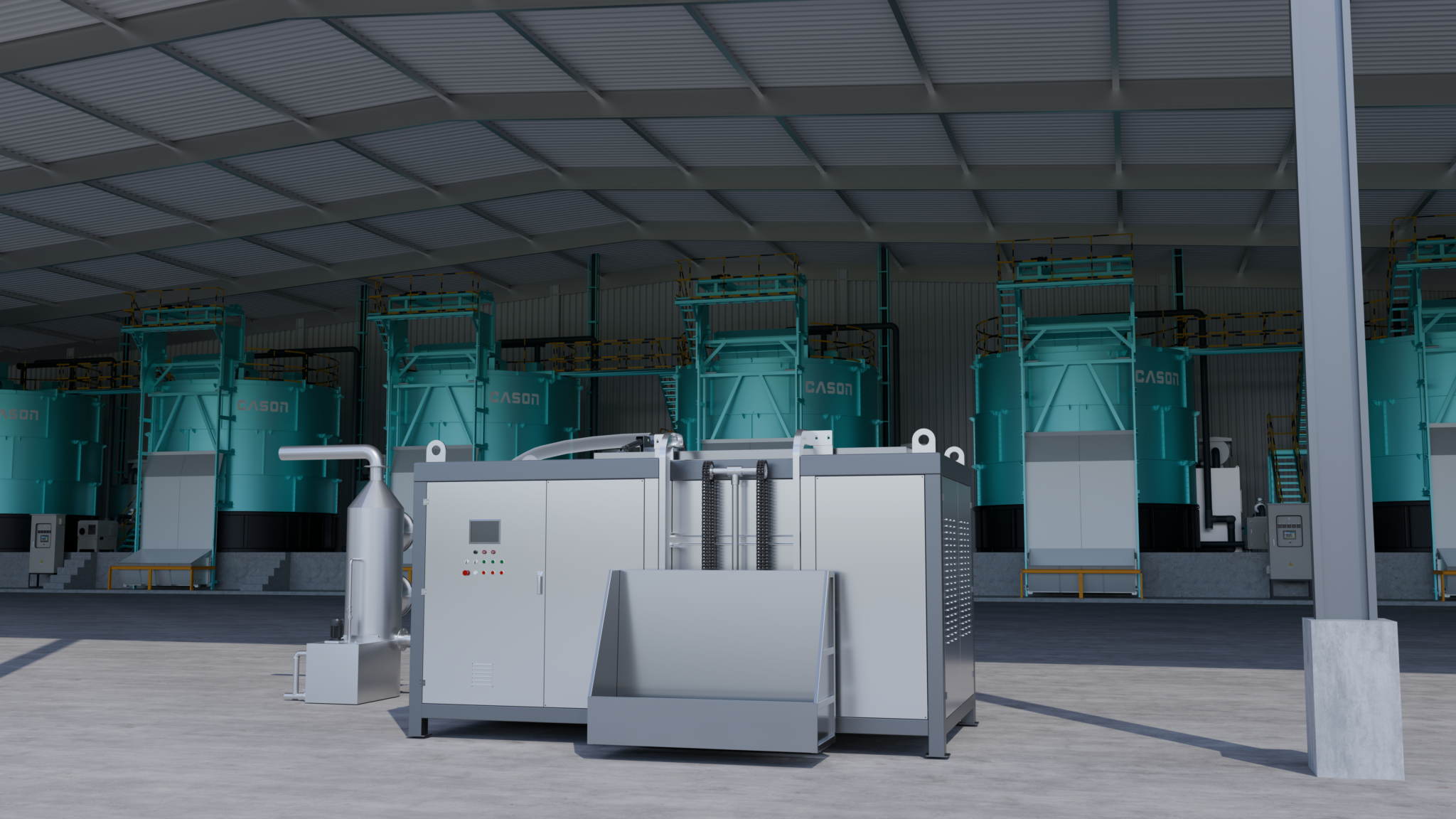
As I began my journey into the world of composting, I quickly realized the flaws in traditional composting solutions. They were labor-intensive, slow, and often produced subpar results. I vividly remember a neighbor’s elaborate compost pile that attracted flies and made the yard look unkempt. The hassle dissuades many from composting altogether. In contrast, an automatic organic waste composting machine offers efficiency and cleanliness, making composting accessible for everyone. It’s a game-changer for urban areas with limited space.
Why Switch to Automated Composting?
Switching to an owc machine simplifies the composting process. Not only does it speed up decomposition, but it also minimizes odors and pests. These machines use smart technology to create optimal conditions for composting, tackling issues that are often overlooked in traditional methods. That’s right—no more bad smells lingering in the air!

Discovering New Perspectives
What if you could reduce your household waste by up to 50%? Imagine the impact this would have on landfills and the environment. The transition from traditional composting to an automatic organic waste composting machine is not just a personal choice; it’s a collective movement towards a more sustainable future. I’ve seen the benefits firsthand—not just in business but in community engagement and eco-awareness.
What’s Next in Sustainable Composting?
The future points to even smarter solutions. With advancements in technology, these machines will incorporate features like app integration, allowing users to monitor their compost even from a distance! Such innovations promise to drive more users into the composting space. And guess what? Organic waste composting is becoming crucial in various sectors, from agriculture to municipal waste management. The demand for owc machines will only rise!
A Summary of Key Insights
As I reflect on the evolution of composting technologies, it’s evident that automatic machines are not just a trend but a necessary shift towards sustainability. The ease of use, efficiency, and environmental benefits can’t be ignored. For anyone looking to make a change, consider these three evaluative metrics when choosing a composting solution: efficiency in waste reduction, user-friendly features, and environmental impact. Not only will you find the right machine, but you’ll also foster a greener future.
In closing, transitioning to an automatic organic waste composting machine is not just about convenience; it’s a powerful statement about our commitment to sustainability. As I’ve learned over my two decades in consulting, each small change adds up. Visit Cason to discover machines that will revolutionize how you approach organic waste!