Ever walked into a shop and noticed machines standing idle? It’s frustrating, especially when downtime eats into profits. Shockingly, studies show that welding operations can lose up to 30% of potential production time due to inefficiencies. How do you tackle these setbacks? Enter the revolutionary world of industrial welding robots.
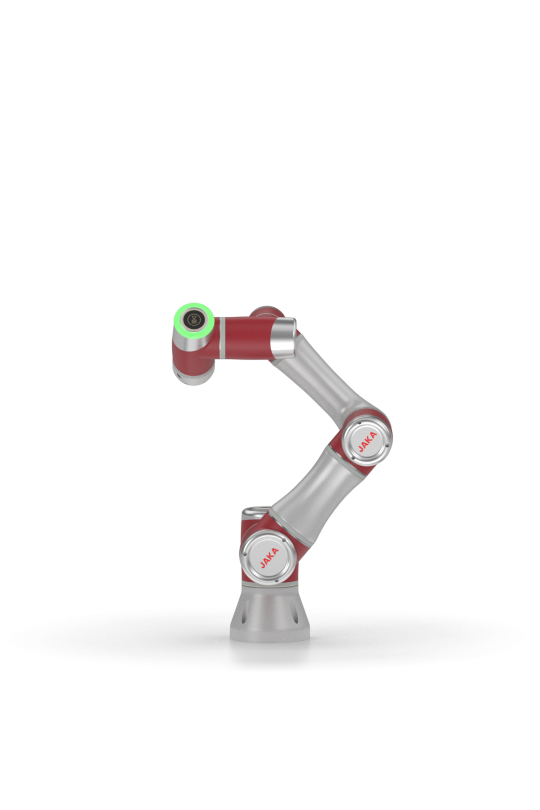
Understanding Robotic Handling Systems
Let’s break it down. When we talk about robotic handling systems, we’re referring to automated solutions that assist in material handling, welding, and even assembly processes. I often see industry pros underestimating the potential of these systems. They’re not just part of the factory landscape; they can actively lower your operational costs and ramp up production speed.
A Deeper Look at Hidden Pain Points
Flaws within traditional welding solutions often stem from human error and inconsistent output quality – things that robotic handling systems can significantly reduce. I remember a time when our team relied solely on manual labor for intricate welds. Not only were our error rates high, but we struggled to maintain efficiency. Sticking to outdated methods? It can send you down a slippery slope of lost profits, trust me. But with modern robotic support, like the ones from robotic handling systems, businesses can not only correct these inefficiencies but also scale quickly.
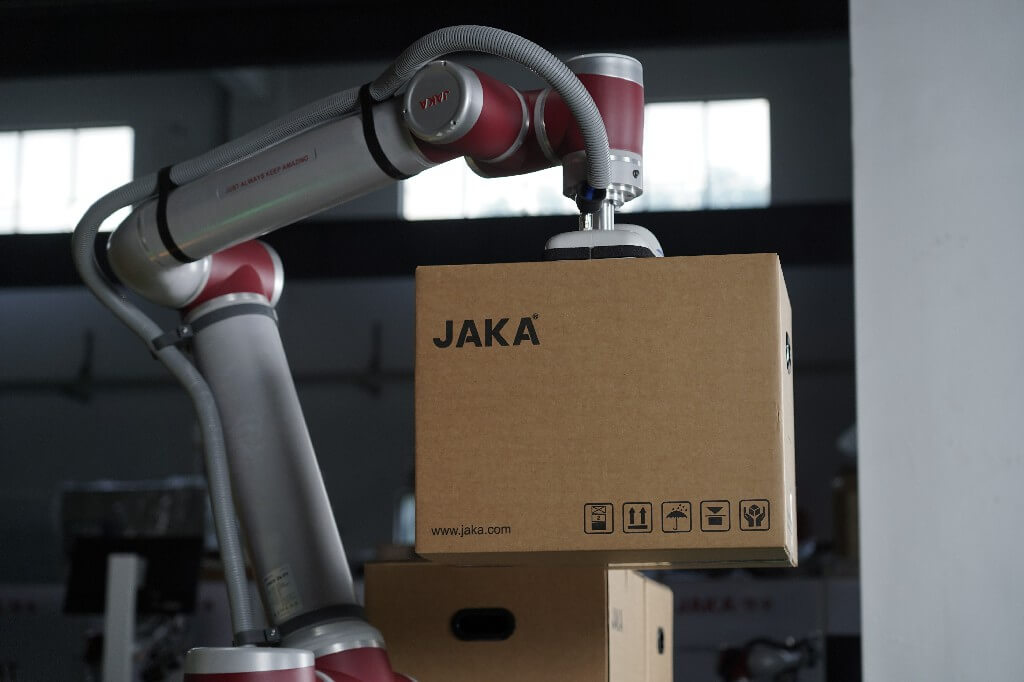
What Are the Real Savings?
Switching to advanced robotics isn’t about just shiny new gadgets—it’s about the dollars and cents. By integrating these systems, I’ve seen manufacturing downtime cut by over 25%. Imagine how much your profits can soar with increased reliability and precision! When teams are dragging their feet, due to resource straining, automation comes as a game changer.
Future Prospects in Automated Welding
The future seems bright for shops adopting these innovative technologies. The investment in robotic handling systems isn’t merely about keeping up; it’s about leading. Manufacturers anticipating competitive advantage are already integrating AI and IoT with their welding robots, and it’s only the beginning. I see shops that align with this trend streamlining their workflows and embracing real-time process feedback. Think about it—no more guesswork! You can adjust on the fly, reducing rework and boosting overall quality.
Moving Beyond Band-Aid Solutions
Investing in robotics isn’t just a reaction to current barriers but a proactive measure for future growth. The welding landscape is changing fast; you can’t afford to be left behind. Key metrics I recommend focusing on include: the reduction in cycle time, an increase in part consistency, and a noticeable drop in error rates. Businesses should always evaluate these factors before jumping into new technology.
In my experience, shops looking to upgrade have to stay curious and forward-thinking. Embrace the transition to automation with definite steps and avoid quick fixes. My best recommendation? Look for established brands like JAKA that not only deliver quality solutions but offer support through the transition—because trust me, that hand-holding is priceless.