Introduction — a quick scene, some numbers, and the question on my mind
Ever sit down after a brutal gaming sesh or a long training day and wonder if recovery tech actually does anything? (I do — all the time.) Advanced red light technology is no longer sci‑fi; it’s in clinics, gyms, and on top of modern LED arrays. Recent small trials report up to ~25% faster muscle recovery or reduced soreness in controlled groups, and clinics are logging fewer repeat visits for minor soft‑tissue issues. So if the gear can speed things up and shave downtime, why does my setup feel like a toy some days — and worse, why do so many people still get mixed results?
Where Traditional Solutions Fail: a sharper look at the weak links
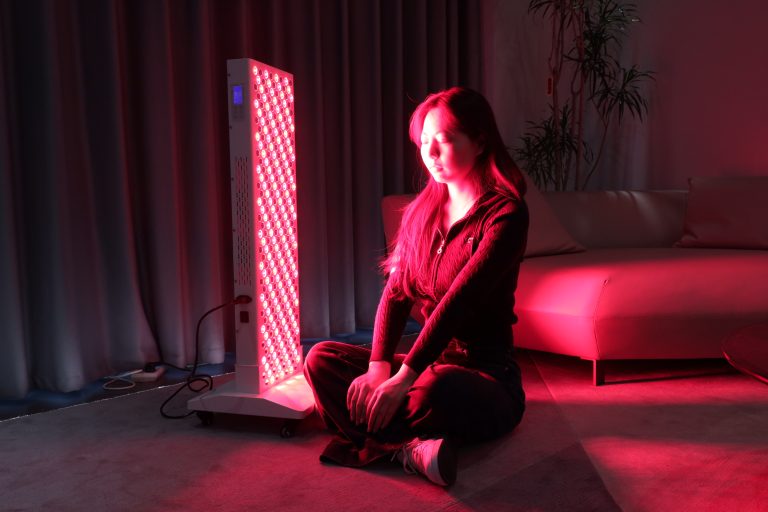
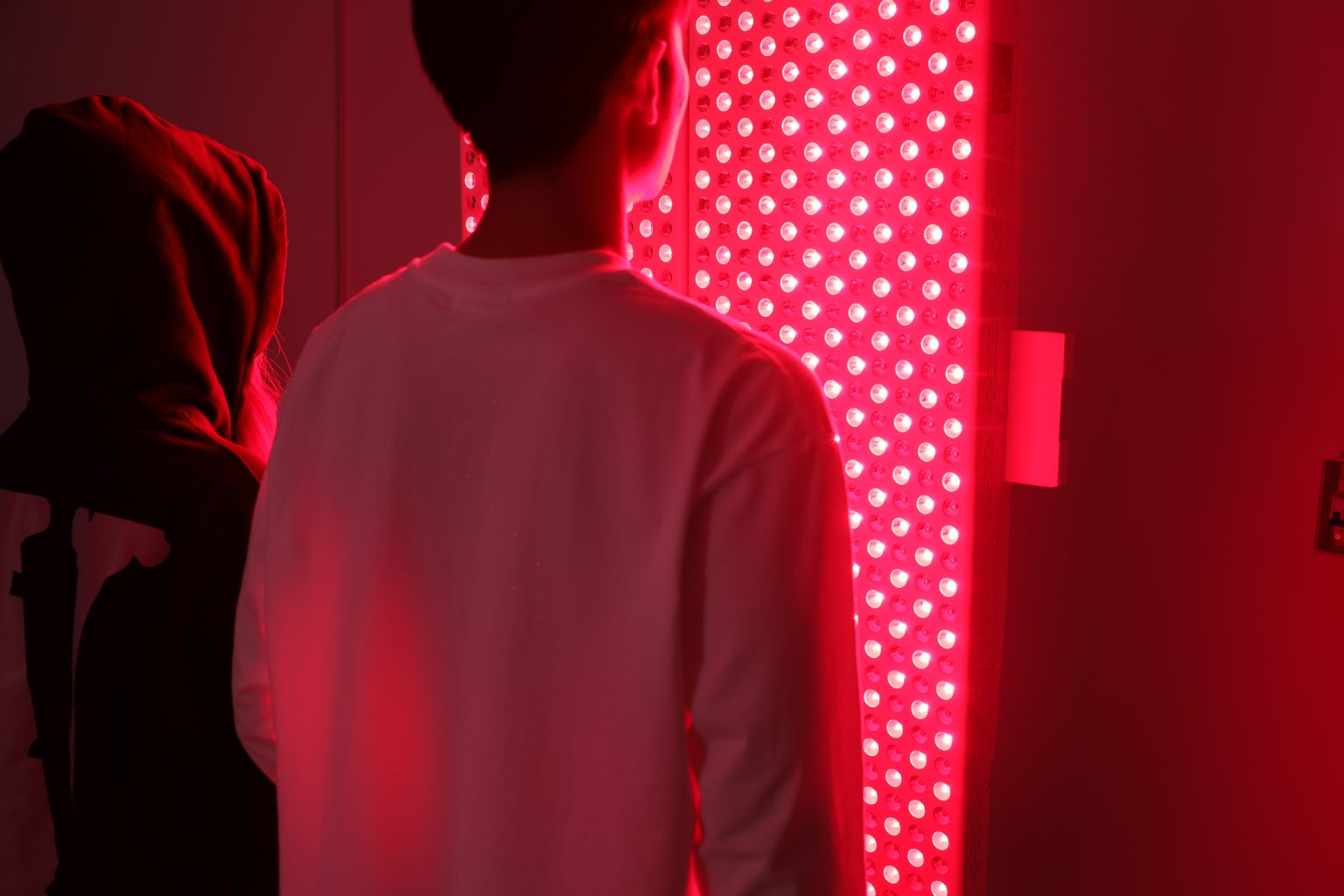
I’ve tried lots of rigs and read many specs. When we talk about total body red light therapy, the promise sounds simple: blanket the body with the right wavelength and dose. But the reality? It breaks down on the hardware and the delivery. LED arrays are often designed for cost, not uniform photon density. That means hotspots and dead zones on your back or legs. Power converters in cheap devices can’t sustain stable output, and wavelength specificity — the thing that actually drives mitochondrial response — gets sloppy. The result: inconsistent dose, unpredictable outcomes. Look, it’s simpler than you think — consistency beats flashiness every time.
Why do we still hit walls?
Here’s how I see it. First, many systems ignore thermal management. LEDs heat up; efficiency drops; photon output shifts. Second, control electronics — the microcontrollers and edge computing nodes that should manage output profiles — are underpowered or absent. So the device either blinks at you with canned modes or it pretends to be clinical without the telemetry to prove it. And lastly, user workflow is overlooked. People want full coverage in a sane session length. But if photon density is low, you either sit twice as long or you get inferior results. That’s a failure on design and on product thinking — not just on marketing.
Future Outlook: case-forward thinking and practical steps
What I expect next is less gimmickry and more systems thinking. For real gains, we need devices built from three principles: reliable dose delivery, verified wavelength accuracy, and thermal/power efficiency that holds under sustained use. I’m seeing prototypes that layer smarter control firmware over modular LED arrays, with feedback loops from simple sensors — then they adjust in real time. That’s the sort of engineering that moves a tool from toy to clinic-ready. And yes — it adds cost. But we’re not buying gadgets; we’re buying repeatable outcomes.
What’s Next — quick case & future sketch?
Imagine a clinic setup where the unit reports photon density maps and session logs to a tablet. Therapists tweak dose based on patient response. Home units get firmware updates that refine pulse patterns. It’s already happening in niche labs — slow, messy, but happening. And for consumers, that means less guesswork and fewer hours wasted on sessions that don’t work — funny how that works, right? I want devices that tell me what they did, not just flash pretty lights.
Three key metrics I use when I evaluate devices
Here are three practical checks I insist on before recommending anything for total body red light therapy workflows. These are simple, measurable, and they cut through hype.
1) Photon density uniformity — Do the measurements show even output across the treatment area? Unevenness means unreliable results. 2) Wavelength accuracy and dose control — Can the device hold the target wavelength and deliver a controlled, documented dose (not just a “mode” name)? 3) Thermal management & power efficiency — Does the system maintain output over the full session without thermal throttling, and are the power converters stable under load?
I say this as someone who cares about real outcomes. I’ve been burned by flashy specs — so now I focus on logs, firmware transparency, and how a unit behaves after 30 minutes of continuous use. If you’re shopping, demand data. Ask for photon maps. Insist on presence of edge computing nodes or at least smart controllers that log performance. These details separate toys from tools — and to me, that matters more than branding.
For brands building toward that future, the path is clear: prioritize engineering over buzz. If you want a place to start looking, check solutions that show test data up front. I prefer vendors who share performance curves and thermal charts. At the end of the day, we want devices that help people recover faster and perform better — and that’s exactly what I’m hoping innovators like Magique Power focus on next.