A comparative frame for a simple choice
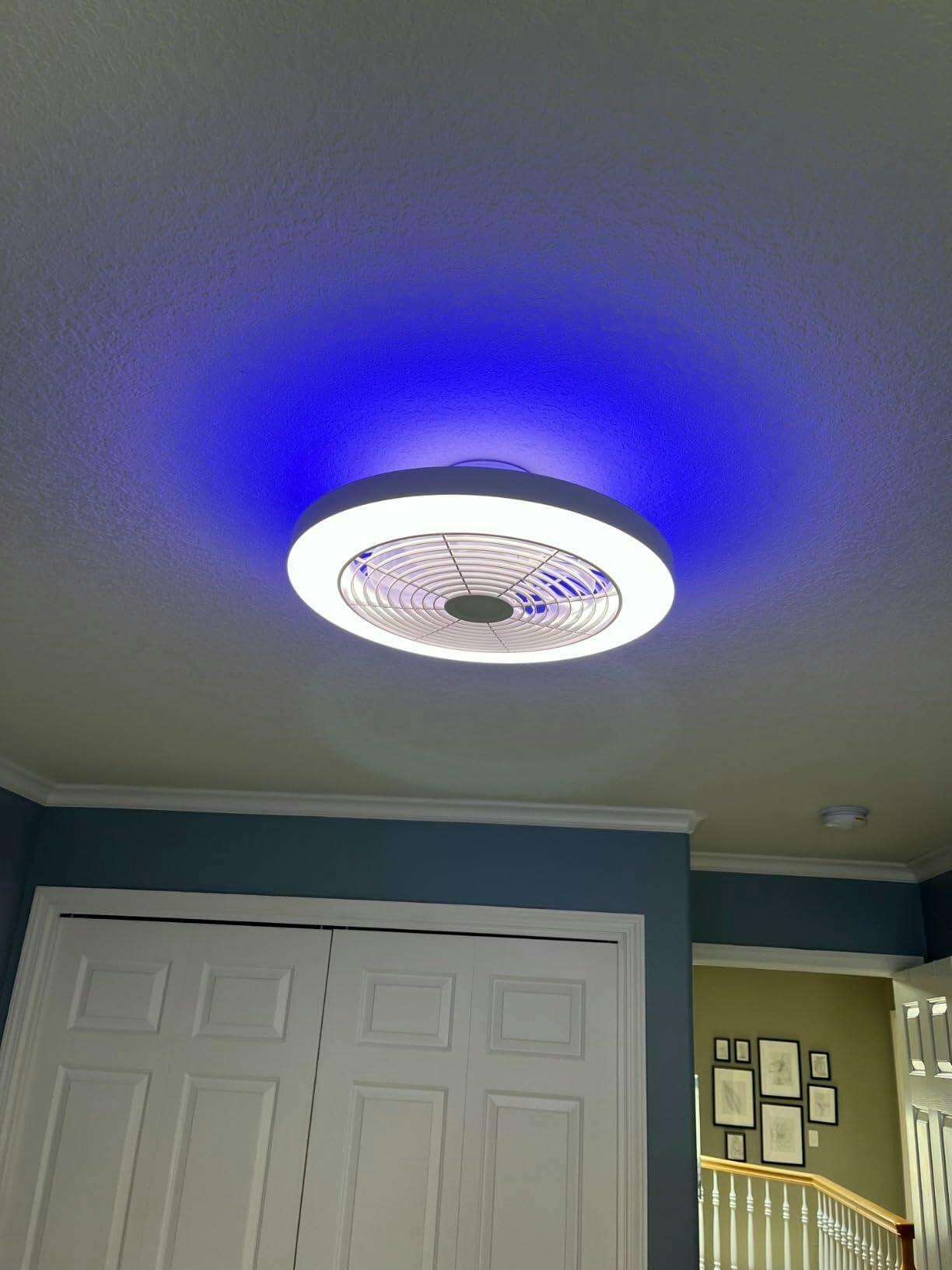
Look, we all chase a bargain — but comparing a cheap whirring fan to a smarter, premium bladeless model is more than price-per-unit. Think lifespan, maintenance, and the real running cost. In many homes and small offices those differences add up quicker than you’d expect. For a straightforward example, consider the bladeless ceiling fan with lights and how its engineering and controls shift the total cost picture away from the headline price and towards long-term value.
What “cheap” usually hides
Cheap fans commonly save you only at purchase. Afterwards come creaky bearings, uneven RPM, and motors that guzzle more power to push the same airflow. Then there’s the cost of replacement parts and, often, a throwaway culture — a unit is discarded rather than repaired. Those are tangible expenses. Less obvious are opportunity costs: poor airflow, more frequent dusting, and the annoyance that nudges people towards running an air conditioner more often. In short: low upfront cost can mean higher lifetime cost.
Why bladeless and premium fans change the maths
Premium bladeless designs generally bring higher-quality motors, integrated LED drivers for efficient lighting, and better controls for speed and scheduling. A few industry markers to watch: motor efficiency (how well electricity becomes movement), CFM per watt (airflow efficiency), and sone rating (noise level). Higher motor efficiency and a strong CFM/W ratio mean the fan moves the same air while using less electricity, so your annual energy bill falls. And that quieter operation? It’s a comfort metric that prevents switching on AC earlier — another saving.
Real-world anchor: energy and behaviour
Energy programmes and consumer guidance from bodies like Energy Star have long pointed out that fans use far less power than air conditioners and that combining sensible fan use with thermostatic control cuts cooling bills. European summers and recent heatwaves pushed many households to test that theory — in Dublin flats and elsewhere people found a well-designed ceiling fan extended comfort without constant AC. I’ve watched an older flat in Dublin, once reliant on a noisy wall unit, become noticeably more comfortable with a premium ceiling installation — the family kept the thermostat higher and didn’t miss the comfort. That’s the sort of practical saving you don’t see on a receipt but you feel in the household budget.
Comparative trade-offs: what to weigh
When sizing up options, compare these realities rather than stickers:
- Durability and warranty length — longer warranties often signal better components.
- Serviceability — can bearings, capacitors or LEDs be replaced locally, or must you replace the whole unit?
- Controls and integration — smart scheduling, remote dimming, or sensor-based operation reduce unnecessary run time.
- Light quality and LED driver efficiency — warm, dimmable lighting cuts the need for extra lamps.
Those items change the running and replacement profile — and, crucially, the total cost of ownership.
Common mistakes brands and buyers make
Buyers often do three things wrong: treat airflow claims as marketing fluff, ignore noise (sone) until late, and forget the mounting and clearance needs of a ceiling fan. Vendors sometimes over-promise CFM without the context of room size. Another slip is assuming a low-wattage label equals efficiency when motor efficiency and aerodynamics tell a fuller story. Fixes are simple: match the CFM to room volume, insist on measured sone ratings, and check motor type and warranty terms before purchase — and test a unit in situ if you can.
Alternatives and where bladeless fits
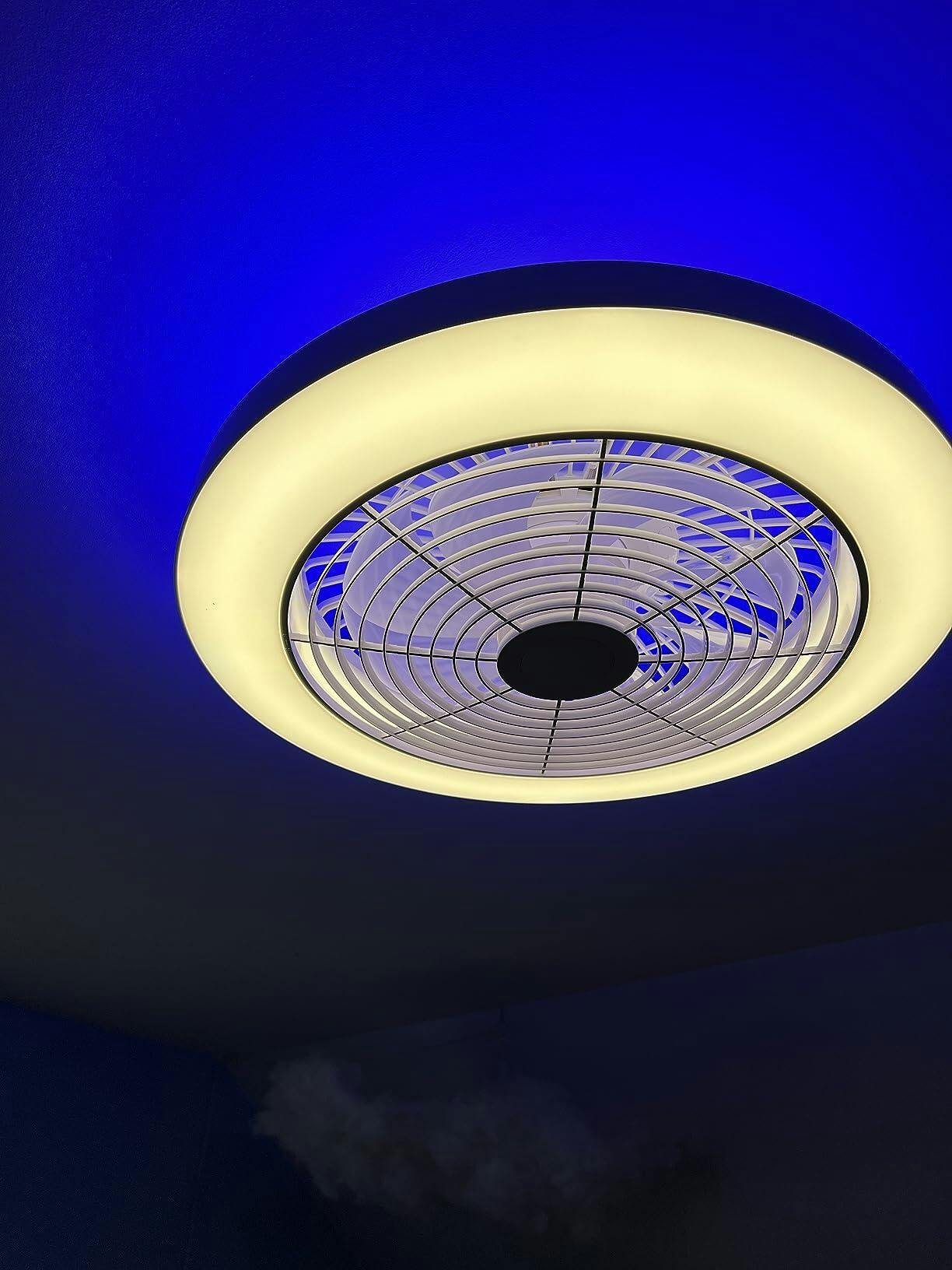
Traditional bladed fans still have a place: lower upfront cost, familiar repair parts, and often generous CFM. But bladeless ceiling fans bridge performance with quiet operation and easier cleaning. For rooms where lighting, noise and smart control matter — bedrooms, living rooms, home offices — a bladeless fan with integrated lighting becomes a multi-function fixture. The trade-off is higher initial spend, but the long view often favours the premium option: lower maintenance, better efficiency, and reduced reliance on heavy refrigeration.
Advisory: three golden rules to pick the right fan
1) Evaluate whole-life efficiency: compare CFM/W, expected annual consumption, and likely thermostat behaviour changes. Cost-per-hour is what affects bills, not cost-per-unit. 2) Prioritise reliability and serviceability: favour motors and electronics with clear, local repair paths and at least a multi-year warranty. 3) Match features to use case: if you want quiet, smart control and integrated lighting, a bladeless option with a good LED driver and low sone rating will return value in comfort and energy savings.
Think of the fan as an investment in comfort and control — not a throwaway purchase. For many households that perspective makes a premium bladeless fixture the sensible choice; and when you want that blend of intelligence, quiet and efficiency, it’s worth seeing how modern designs perform in real homes — that’s where the savings show through. — Orison.