Understanding the Current Energy Crisis
Picture this: global demand for energy skyrocketing at a rate seen only in leading industrial economies. In fact, experts project a staggering increase of over 50% in energy consumption by 2050. How, then, do energy infrastructure partners plan to meet this insatiable demand? This is where the renewable energy infrastructure company comes into play, providing innovative solutions while addressing long-standing flaws in traditional energy systems.

The Shortcomings of Traditional Solutions
It’s essential to grasp the underpinnings of our energy problems. Conventional energy sources—think fossil fuels—are not only unsustainable but also increasingly prone to supply chain disruptions. I recall working with a utility company that faced significant operational challenges due to dependency on outdated power generation methods. Importantly, these methods also led to hefty carbon emissions, adding to the climate crisis. However, as we step into a more sustainable future, the hurdles that renewable energy infrastructure partners face are not straightforward.
How Do Renewable Energy Infrastructure Partners Innovate?
Renewable energy partners creatively address these shortcomings by deploying cutting-edge technologies like solar power and wind-generation systems. Their success hinges on the integration of smart grid technologies, enhancing efficiency and reliability. Just a few years back, I had the chance to visit an innovative site in California, where a solar farm demonstrated energy generation efficiency that blew away conventional standards. You know when everything just clicks? That’s how it felt seeing those massive solar panels working seamlessly.
What Are the Trade-offs?
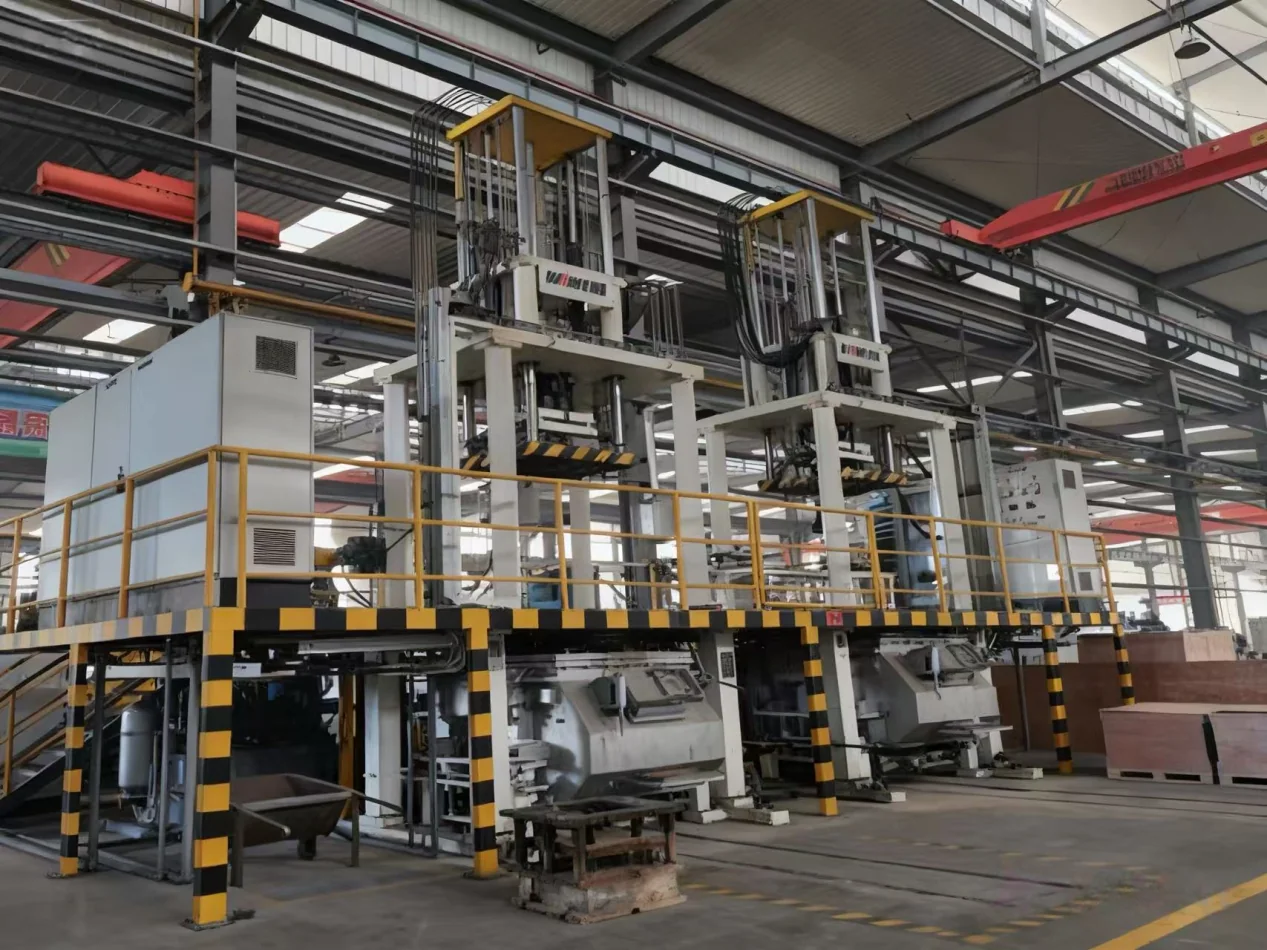
Yet, what lies ahead? Energy infrastructure also faces the notable challenge of scaling their operations to match growing demand for clean energy solutions. Compounding this, technology investments, such as utilizing a cnc machining center, might necessitate high initial costs. Could maintaining these structures overshadow the benefits they provide in the long run? With all these moving parts, energy partners must strategically assess their investments to ensure future viability.
What’s Next for Energy Infrastructure Partners?
Looking ahead, the advancements in renewable energy aren’t merely about expansion but also fostering sustainability and resilience. It’s about learning from earlier mistakes. A few months ago, I was involved in discussions with various stakeholders reviewing innovations. Many energy infrastructure partners are now implementing adaptive strategies that prioritize not only increased capacity but also greater environmental stewardship. This shift has profound implications for future energy policy.
Key Insights and Takeaways
Reflecting on the landscape of energy infrastructure partnerships, I’ve distilled three critical aspects that define effective practices: adaptability, technology integration, and sustainability. These metrics will guide professionals in evaluating the pathways of energy solutions. I genuinely believe that understanding these facets will dictate not just compliance but success in a rapidly changing sector.
Ultimately, as we transition into a greener future, collaboration among REM partners will define the success of our energy strategy. Gathering insights from experienced players in the field, such as SH POWER, can serve as a valuable resource—helping us navigate the complexities of an energy landscape ripe for innovation.